
Dry eye syndrome is a widespread condition affecting millions of people worldwide. Characterized by discomfort, redness, and a feeling of grittiness in the eyes, this condition can significantly impact quality of life. While numerous remedies exist, two emerging treatments—Intense Pulsed Light (IPL) therapy and Low-Level Laser Therapy (LLLT)—have shown considerable promise in alleviating dry eye symptoms.
Before diving into the treatment options, it’s essential to understand what causes dry eye syndrome. The condition can arise from a variety of factors, including:
– Insufficient Tear Production: This can be due to age, hormonal changes, or certain medical conditions.
– Excessive Tear Evaporation: Environmental factors, prolonged screen time, or certain medications can lead to faster evaporation of tears.
– Inflammation: Chronic inflammation in eyelid or surface tissues can disrupt the tear film.
Recognizing the root cause of dry eye is crucial in determining the most effective treatment.
What is IPL Therapy?
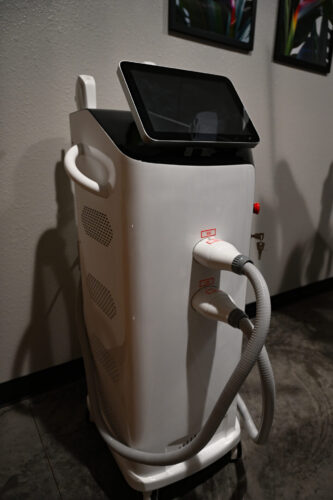
Intense Pulsed Light (IPL) therapy is a non-invasive treatment that utilizes specific wavelengths of light to target various tissues in the body. Originally developed for dermatological conditions, such as acne and rosacea, IPL has gained recognition as a method to treat dry eye syndrome, particularly for meibomian gland dysfunction (MGD).
During an IPL treatment session, a specialized device emits bursts of light onto the skin surrounding the eyes. This light energy penetrates the skin and induces several beneficial effects:
- Meibomian Gland Function: IPL helps stimulate the meibomian glands in the eyelids, which are responsible for producing the oily layer of tears. Enhanced gland function can improve the lipid layer’s quality, which can reduce tear evaporation.
- Reduced Inflammation: The light therapy can decrease inflammatory markers in and around the eyelids, alleviating discomfort and redness.
- Vascular Regulation: IPL can help regulate blood flow, improving overall ocular health.
Numerous studies have demonstrated the effectiveness of IPL in treating dry eye syndrome. Patients often report significant improvements in symptoms such as eye dryness, redness, and overall comfort. The procedure typically requires multiple sessions, with many individuals experiencing relief that can last for several months.
What is LLLT?
Low-Level Light Therapy (LLLT) operates by delivering light energy to the tissues at a cellular level. This leads to several key mechanisms:

- Cellular Repair: The light energy stimulates cellular activity, enhancing metabolism and promoting the repair of damaged tissues.
- Reduced Inflammation: Similar to IPL, LLLT has anti-inflammatory effects that can contribute to decreased symptoms of pain and discomfort.
- Enhanced Tear Production: Some studies suggest that LLLT may promote increased tear production, thereby improving overall eye hydration.
Several clinical studies have shown that LLLT can significantly alleviate symptoms of dry eye syndrome. Patients often report reduced dryness and irritation and improved overall ocular comfort. Like IPL, LLLT is typically administered over multiple sessions, and ongoing maintenance treatments may be required.
Combining IPL and LLLT
While both IPL and LLLT have shown effectiveness individually, some practitioners advocate for a combined approach. Using both therapies may yield synergistic effects, enhancing the overall efficacy in managing dry eye symptoms. This combination could address multiple aspects of the condition—improving meibomian gland function and reducing inflammation while promoting healing.
The integration of IPL and LLLT into the treatment landscape offers new hope for individuals suffering from dry eye syndrome. If you are struggling with dry eye symptoms, we offer dry eye treatment consultations for just $100 to determine whether IPL and LLLT might be right for you. As technology advances, these innovative treatments may provide significant improvements in comfort and quality of life for many patients battling dry eye.
In a world increasingly reliant on screens and digital devices, proactive management of dry eye is more critical than ever. By exploring modern therapeutic options like IPL and LLLT, we can take a vital step towards healthier, more comfortable eyes.
Call to book an exam and to discuss treatment now!