
Our eyes are often called the windows to the soul, but they are also microscopic windows to our overall systemic health! Many people are surprised to learn that your routine eye exam can reveal early signs of serious conditions affecting the heart, blood vessels, nervous system, and immune system.
Doctors Frie, Meyer, and Schroeder can detect these signs because the back of the eye, the retina, is the only place in the body where blood vessels can be viewed directly. This allows our doctors to observe changes in the blood vessels, nerves, and retina that can let them know how your overall health is.
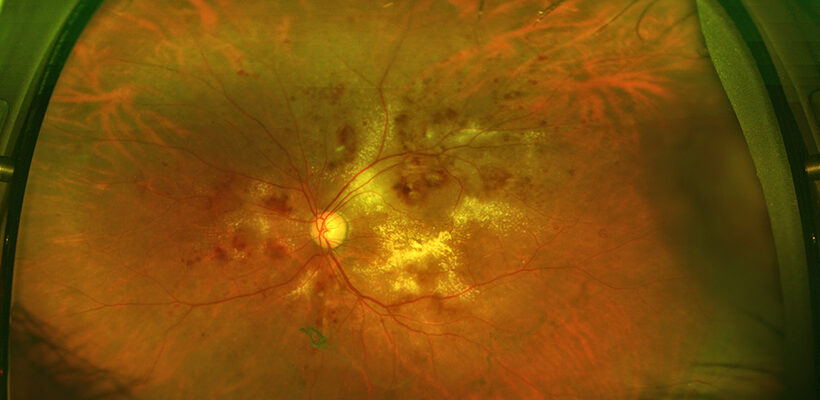
One of the most common diseases detected in the eye is diabetes. Changes in the retinal blood vessels, known as diabetic retinopathy, are a hallmark of uncontrolled blood sugar. This can range from mild swelling and leakage to the growth of abnormal new vessels, which can lead to severe vision loss or blindness if untreated. Similarly, high blood pressure often presents with characteristic changes in the arteries and veins of the retina, termed hypertensive retinopathy. These findings, such as narrowed vessels or hemorrhages, can alert a doctor to a patient’s risk of stroke or heart attack, prompting a referral back to a primary care physician for necessary management.
Beyond the common conditions, our eyes also offer clues about more complex and varied illnesses. For instance, autoimmune diseases, such as rheumatoid arthritis and lupus, can cause inflammation in different parts of the eye, leading to conditions like uveitis or dry eye syndrome. Even neurological disorders, like multiple sclerosis or brain tumors, can affect the optic nerve, causing swelling of the nerve or changes in peripheral vision and eye movement. Because these ocular findings often precede the onset of other, more noticeable symptoms, regular eye check-ups are an essential part of preventative care.